
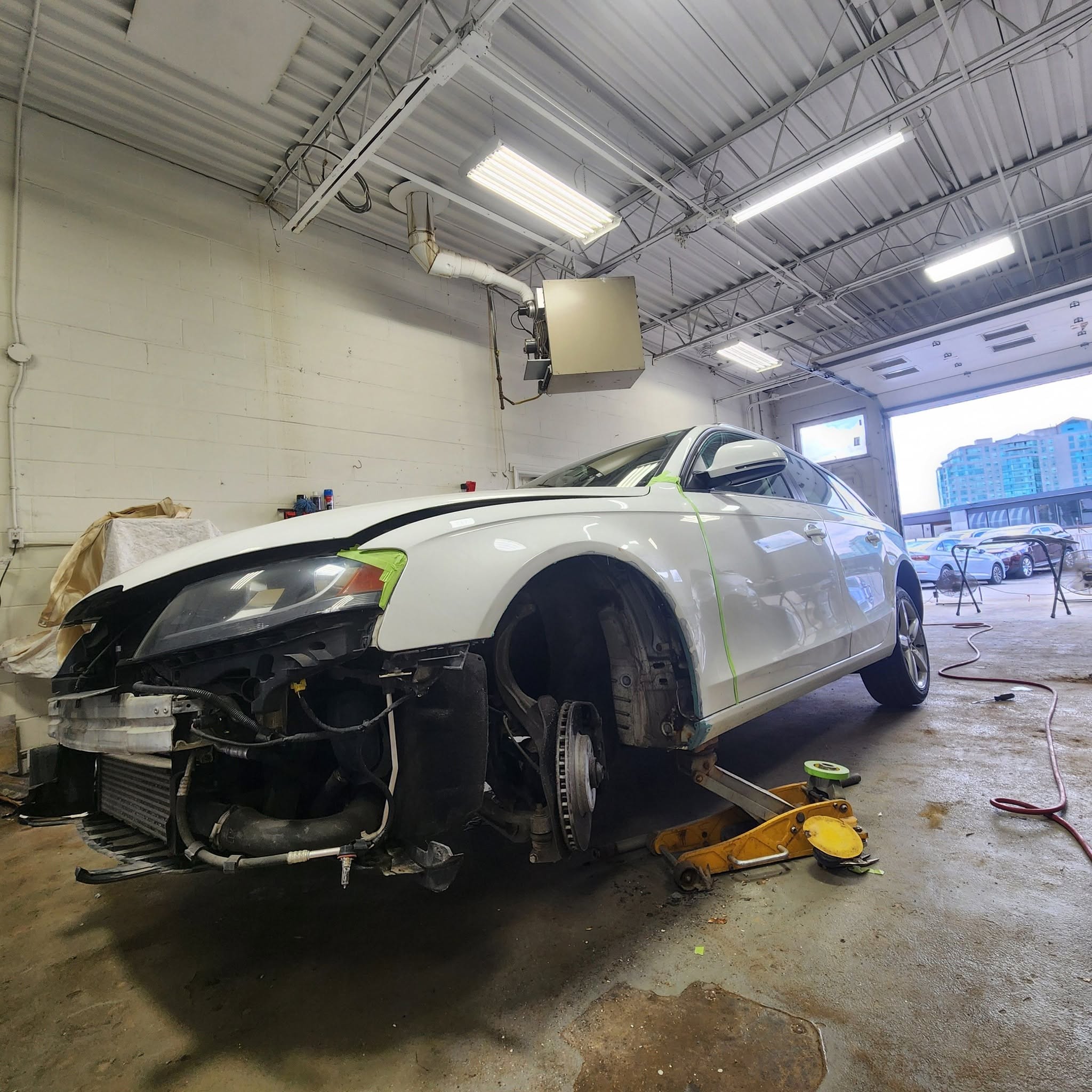
Truck rust repair built for frames, not fenders.
Pickups and body-on-frame trucks carry loads through their steel — which means rust in a frame rail, cab corner, or rocker isn't cosmetic, it's structural. We inspect every rust-prone zone on your truck and repair it the way it should be repaired: cut out, fabricated, and welded.
Trucks vs. cars
Why trucks rust differently — and worse
Most passenger cars are unibody — the floor pan and rocker structure are the frame. Pickups and full-size SUVs are usually body-on-frame, with separate steel frame rails running the length of the vehicle underneath the cab and bed. Those rails carry suspension, towing, and payload loads, and they sit low enough to catch every bit of salt spray thrown up by the front tires all winter long.
Trucks also tend to log more of their miles in exactly the conditions that cause rust. Work trucks and daily drivers plow through slush, sit in unheated lots, and get less frequent underbody washing than a car that's mostly driven and garaged. Add in the pinch welds and box sections where cab meets rocker, and where the bed meets the frame, and you get more seams where moisture and salt can sit and work through the metal from the inside out.
None of that means a rusted truck is a lost cause — it means the inspection has to be more thorough, and the repair has to treat structural zones with the seriousness they deserve.
Where trucks rust first
- Frame rails — especially behind the front wheels and around crossmember mounts
- Cab corners, where the cab structure meets the rocker and bed
- Rocker panels and pinch welds along the door sills
- Wheel wells and inner fenders, front and rear
- Truck bed floor, bedsides, and the seams where the box mounts to the frame
- Jack points and frame-to-body mounting brackets
- Tailgate bottom edge and latch pockets
- Rear cross member, below and behind the bumper mount
Several of these zones are involved enough that we've written dedicated guides for them — see frame rail repair, cab corner repair, and truck bed rust repair for how we approach each one in detail.
Our process, step by step
- 01
Full-truck inspection
We put the truck on a hoist and check every known rust zone — frame rails, cab corners, rockers, wheel wells, and bed — not just the spot you called about. Hidden rust is common on trucks with towing or plow history.
- 02
Prioritize by safety, not visibility
We flag structural items first: frame rails, jack points, and cab mounts that affect safety and inspection compliance. Cosmetic bedside or fender rust gets addressed on the same visit if it makes sense for your budget.
- 03
Cut back to solid steel
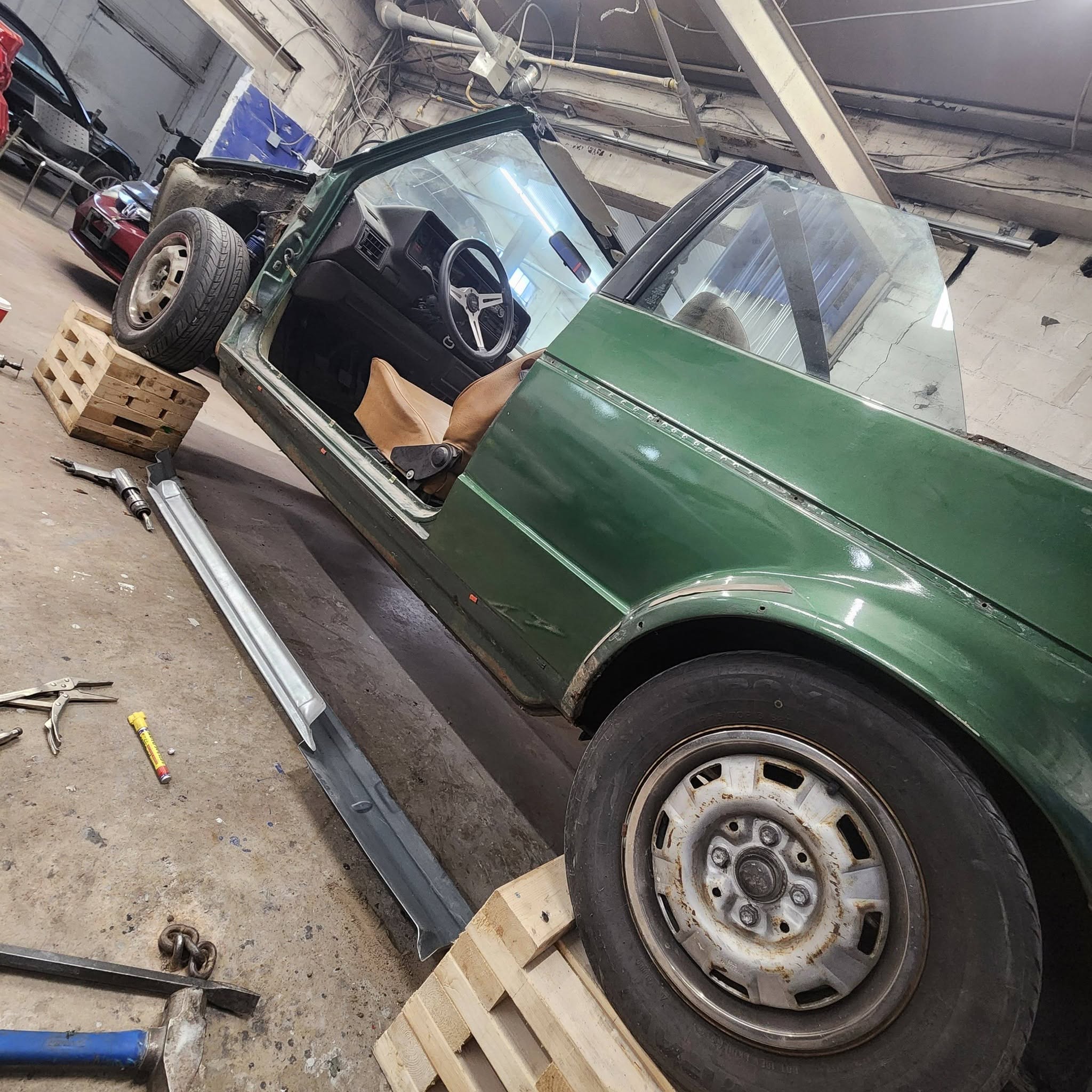
Every rusted section is cut out entirely — no grinding down and skimming filler over compromised metal. What's left has to be sound steel before anything gets welded to it.
- 04
Fabricate and weld new sections
Replacement steel is fabricated to match factory gauge and profile, then MIG welded in place. Frame rail and cab corner sections are seam-sealed and structurally verified before moving on.
- 05
Seal, prime, and refinish
Cavity wax goes into box sections and rail interiors, seams are resealed, and exterior panels are primed and refinished to match. The goal is a repair that holds up through the next decade of winters, not just the next inspection.
When to repair — and when it's too late
Surface bubbling on a rocker or the bottom of a door is an easy fix if caught early. Frame rail rust is a different conversation — if corrosion has perforated a rail in more than a short section, or has spread to multiple crossmember mounts, sectioning and reinforcement become necessary rather than optional, and we'll tell you plainly if a repair no longer makes financial sense relative to the truck's value. On the other end, a rusted bed floor or bedsides rarely affects safety and can often wait, or be handled as a standalone repair — see our truck bed rust repair page. The honest answer, in most cases, comes down to a hands-on inspection rather than a guess from photos.
What determines the cost
- Which zones are affected — cosmetic panel vs. frame rail or cab corner
- Truck size and model — full-size and heavy-duty frames take more steel and labour than compact trucks
- How far corrosion has spread beneath the visible surface
- Commercial or fleet use vs. personal use, which affects inspection scope and access needs
- Whether cavity wax and undercoating are added to prevent recurrence
- Paint and refinish match across affected panels
Frequently asked
- Do trucks rust worse than cars?
- In our experience, yes — especially body-on-frame trucks. Separate frame rails sit closer to road spray, rocker and pinch-weld areas ride lower to the ground, and trucks used for work or towing spend more winters on salted roads carrying more load through the same corroded structure. The rust shows up in the same places, but it's more structurally significant because a truck's frame is doing real work.
- How much does truck rust repair cost?
- It depends heavily on which zone is affected and how far the corrosion has spread. A rocker or wheel-well patch might start around $500–$900, while frame rail sectioning or cab corner replacement on a full-size pickup runs higher due to the fabrication and welding involved. We inspect the whole truck and give you an itemized, photo-documented quote before any cutting starts.
- Can you extend the life of a truck's frame before rust becomes structural?
- Yes — this is where prevention pays off. Cavity wax in box sections, undercoating on exposed frame rails and wheel wells, and an annual inspection catch surface corrosion long before it eats through metal. It's far cheaper than sectioning a frame rail after the fact.
- Do you work on fleet and commercial trucks?
- Yes. Fleet trucks accumulate more salt exposure per year than personal vehicles simply from mileage and route frequency. We offer proactive rust prevention programs for fleets — inspection, cavity wax, and undercoating on a schedule — alongside structural repair when a truck already has rust, to keep vehicles safe and in service longer.